

COVID, Flu, or Just a Cold? When to Send Healthcare Staff Home
Sniffles? Sore throat? Cough that won’t quit? In healthcare, these are red flags for any staffing coordinator.
The overlap between COVID-19, the flu, and the common cold can turn one sick employee into a department-wide domino effect. So when should you send staff home — and how do you stay covered when you do?
Let’s break it down.
The Symptom Showdown: Is It a Cold, the Flu, or COVID?
In the good ol’ pre-pandemic days, a mild cold might’ve earned a side-eye but not a sick day. These days? Every cough gets a full diagnostic debate.
Here’s a quick comparison to help you (and your charge nurse) make fast, informed decisions:
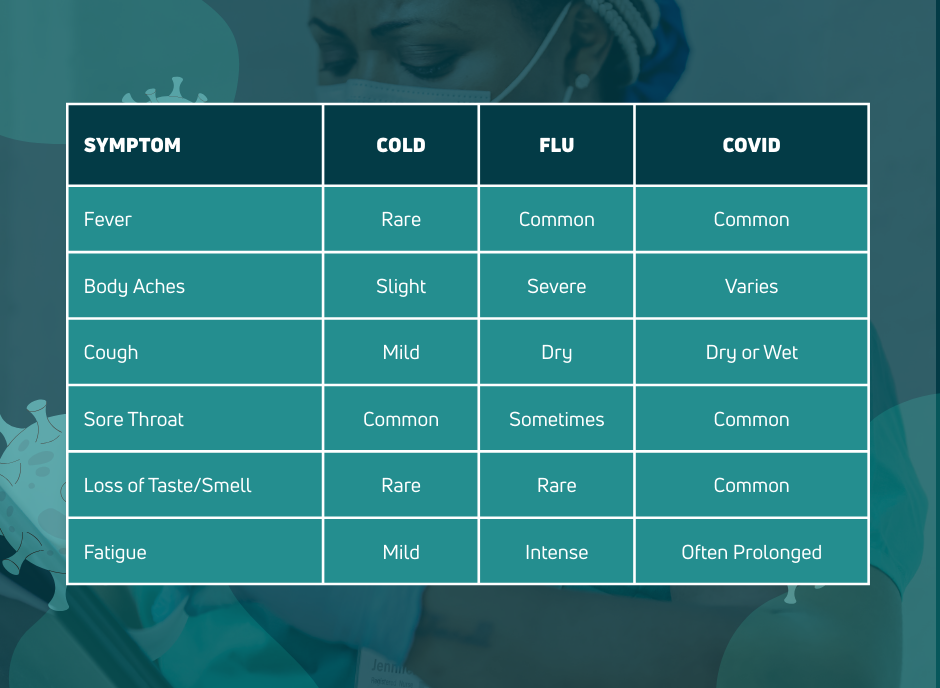
When to Send Healthcare Staff Home
Let’s be honest, in healthcare, the instinct is often “power through.” But patient safety (and staff wellbeing) should always take priority.
Here’s a quick guide for sick call decisions:
-
✅ Fever (of any kind): Send them home. No debate.
-
✅ Positive COVID or Flu test: Follow CDC isolation guidance or facility policy.
-
✅ Mild cold symptoms, negative test, no fever? → Mask + monitor, but assess based on patient population and current outbreaks.
-
❗ Work in high-risk units (NICU, oncology, geriatrics)? → Stricter policies may apply, even for mild symptoms.
🛑 Bottom Line: When in doubt, send them out. One sick staffer can take down a whole shift.
The Real Problem? Coverage While They’re Out
Let’s say you send Nurse Jamie home with flu symptoms. Great call for infection control… but who’s covering her next three 12s?
This is where proactive staffing strategy comes in.
Your Coverage Playbook:
-
Create a “sick call” float pool — per diem or cross-trained staff.
-
Partner with a staffing agency (ahem, that’s us 😉) to keep qualified nurses and CNAs on standby.
-
Avoid overburdening your healthy team — burnout from “just one more shift” is real.
💡 Tip: Have a “3-deep” plan. For every key role, know who can step in and then who can step in for the backup.
Create a Sick Call Policy Your Team Actually Understands
Avoid 5 a.m. chaos with a clear, simple policy:
✔️ Symptom-based call-out triggers (fever = automatic call-out)
✔️ When and how to test (COVID/flu combo tests are gold)
✔️ Clear return-to-work guidelines
✔️ Communication protocols (who to notify, and when)
Make it visual. Post it at nurse stations. Share it in onboarding. Engrave it on the breakroom fridge. (Okay, maybe not that last one.)
Conclusion: Keep Them Safe. Keep Them Staffed.
Your facility can’t afford to play guessing games with germs.
A sneeze might be nothing, or it might lead to five call-outs, two traveler requests, and one very cranky DON. So:
-
Know the symptoms
-
Trust your protocols
-
Back your staff with support — and backup
When things get tight? Our team is here to help you fill shifts faster than you can say “rapid test.”
Need emergency staffing for sick call-outs?
We’ve got you. From per diem RNs to short-term travelers, our healthcare pros are trained, credentialed, and ready to step in.
📞 Contact us now or call 404-698-1975